The people
in the machine.
“Love here isn’t forbidden. It’s licensed.”
Kai
Leader & main vocalist · Higher Heaven · Songwriter · the heartEveryone wants me, but almost no one knows me.
 Main stage
Wound
People love the version of him that hurts.
Lie
If I disappoint people, they will leave.
Desire
To be loved as a real person, not an idol fantasy.
Truth
Being loved should not require self-erasure.
Behavioral tells
- Smiles harder when he’s in pain.
- Says “I’m good” a beat too quickly.
- Spends money the way other people cry: the wallet opens when the feeling can’t.
- His stage persona returns through posture before it returns through words.
In the story
Kai rose from an ordinary, working family: a secondhand keyboard, late practice rooms, years of quiet endurance. He didn’t chase fame for attention; he chased it to protect the people who sacrificed for him. Miso is the first person who notices the person beneath the product. Gia doesn’t tempt him with romance. She tempts him with relief. And the season ends with him refusing, for the first time in his life, to sell a feeling: a song written in one take, wrong notes kept, shown to no one.
Miso
Co-protagonist · Visual director · Makeup artist & stylistEveryone needs me, but almost no one chooses me.
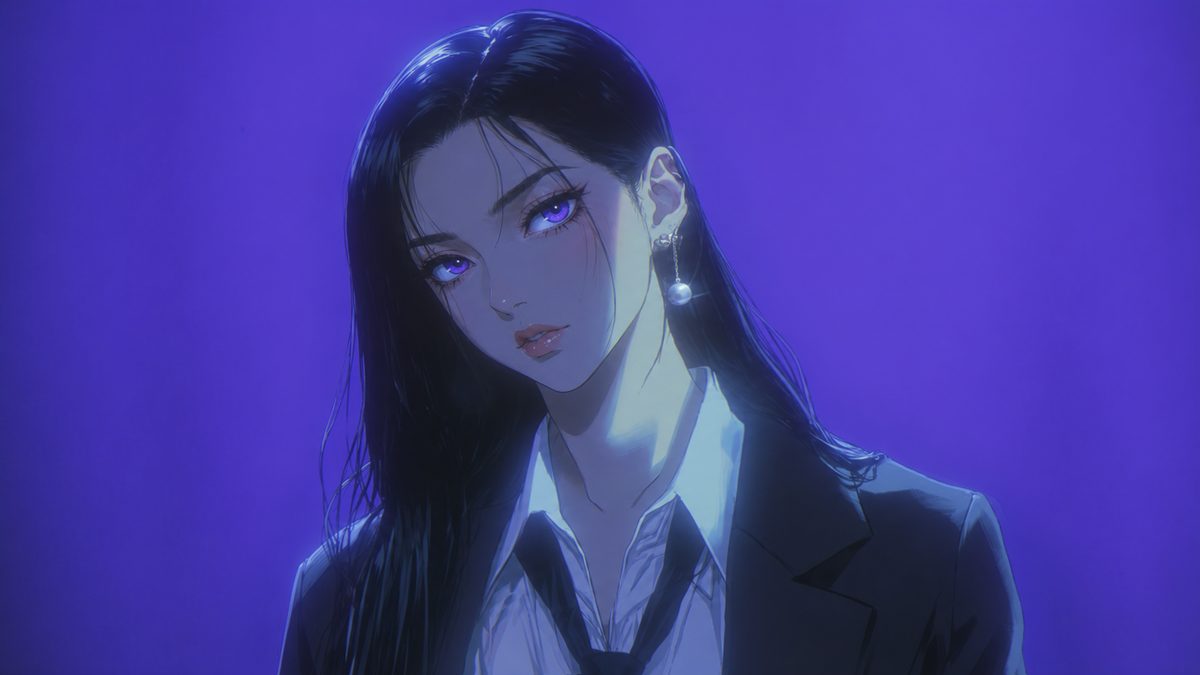 Visual director
Wound
She learned her value comes from helping other people shine.
Lie
If I stop being useful, people will stop loving me.
Desire
To be chosen, not merely needed.
Truth
She is worthy even when she takes up space.
Behavioral tells
- Asks permission before touching someone’s face.
- Notices the tiny physical tell everyone else misses.
- One lavender cigarette, her one vice, her one unshared minute.
- Leaves before anyone can thank her.
In the story
Daughter of a near-famous singer and a J-rock bassist she never knew, Miso became a caretaker too young, because beauty was survival. She can see beauty, pain and potential in everyone except herself. Kai offers her attention without demanding service, and the machine answers by pricing it. Her arc isn’t becoming beautiful. It’s the awards-eve mirror where she finally does her own face, pins a borrowed secret to her lapel, and walks into first snow visible, credited, and chosen.
Kai
Stands between love, image, and obligation.
Miso
Sees the man beneath the fame.
Gia
Sees the future they could rule together.
Gia
The antagonist · Interim CEO · The founder’s daughterIf I am not exceptional, I disappear.
 The owner’s box
Wound
Born into wealth, status and access, but not emotional warmth.
Lie
I must be superior, desired and indispensable to be loved.
Desire
To become impossible to ignore, and impossible to leave.
Truth
Love cannot be manufactured through power, image or control.
Behavioral tells
- Enters the season crying down a hospital hallway, human first, commanding later.
- Her heirloom watch does the arguing: every part doing exactly what it’s meant to do.
- Never appears desperate. Need is converted into strategy.
- Acquires what moves her. People included.
In the story
Provision replaced presence in Gia’s childhood: pride arrived through assistants, gifts and achievements. She inherits the building mid-crisis and proves herself to a boardroom that keeps her father’s chair empty on purpose. She doesn’t tempt Kai with romance, she tempts him with relief: a world where the wallet never runs out and nobody he loves ever struggles again. When she fires Miso she does it personally, generously and honestly, which is the cruelest version. Understandable, never excused.
Neko
Sound engineer · The den · Keeper of the songWhat flavor is it this time?
 The den
Energy
Basement warmth: cables everywhere, zero filter, and engineer hearing that catches what people mean.
Habit
Lives on instant noodles and reads Miso’s heart by ramyun flavor.
Function
Counsel before courage. She asks the question nobody at work is allowed to ask.
Voice
Rejects sounds the only way she knows how: “That note lacks depth.”
Behavioral tells
- Whispers “tell him I love him too” from across the room, then gets shooed like a cat.
- Quality-controls from a stool with Yuumi on her shoulder.
- Downgrades advice to human scale when the truth is too big.
- Labels the drive COMPLICATED_final_hers and locks it. Sole keeper.
In the story
Neko is the one room in the season where nobody performs: a basement studio wallpapered in cables where Miso gets to be a person instead of a function. She hears the difference between busy and hurting, opens the session file that has been waiting since the piano store, and keeps the one song the country will never hear. The den is where the truth goes to be safe.
Rain
Second lead · Ex‑J‑rock frontman · Enters Episode 41Paint whatever you want on me. It won’t be me.
 Enters Episode 41
Energy
Velvet over gravel: wild, unquantized, alive. Everything Kai is never allowed to be for even four bars.
Habit
Plays his own instruments, sings with passion, doesn’t dance, because he doesn’t have to.
Function
The first industry person who builds Miso a mask without erasing her face, and the first to ask who takes care of her.
Voice
Says who his songs are for by never saying it.
Behavioral tells
- Late to his own rebrand meeting, boots on the console, guitar indoors.
- Answers direction with one honest take instead of an argument.
- Reads the weather and packs accordingly: “It’ll keep.”
- A burned bridge where a discography should be, and a word he doesn’t explain: complicated.
In the story
Ex-frontman of a J-rock band that ended badly, now the rival label’s solo signing and the artist Miso rebuilds from the studs: dark R&B, rock bones dressed in shadow. He writes “Wait” for her, love with no invoice and patience with no timer, because some things you can only say to a guarded woman with a melody around them, and he debuts it at the year-end awards. Rival, never villain. Season Two rides on him.
Then came Rain.
Passion. Desire. Temptation.
A scene preview: fireworks, rain, and the first person who ever asked who takes care of her.
Noa
Higher Heaven · Rapper & producer · the chaosThe joke that makes the room safe.
 The chaos
Energy
Chaotic warmth: affectionate, impulsive, emotionally obvious.
Habit
Jokes hardest exactly when he’s worried.
Function
Makes concern visible before Kai is ready to receive it.
Voice
Fast and dramatic, until one sincere line suddenly lands.
Behavioral tells
- Turns small inconveniences into epic tragedies.
- Loves Kai openly; treats Miso like part of the team.
- Notices when Miso almost smiles.
- Cracks jokes about being washed up someday, while watching the documentary that proves it happens.
In the story
Noa humanizes Higher Heaven and keeps the idol world from becoming emotionally airless. When the leak breaks, he and Soul hold Kai steady with the oldest truth they own. His comedy always comes from affection. It releases pressure without ever mocking pain.
Soul
Higher Heaven · Main dancer · the quietThis industry is a casino. You can’t stay long. House always wins.
 The quiet
Energy
Dry, observant, controlled, quietly protective.
Habit
Rarely wastes words. Builds his plates like fortresses and watches the room while Noa is loud.
Function
Names the truths Kai avoids without turning them into speeches.
Voice
Deadpan lines that sound like jokes until you realize they’re true.
Behavioral tells
- Recognizes the “I’m good” lie immediately.
- Sees the emotional pattern beneath the immediate problem.
- Fondly tolerates, and sharpens, Noa’s chaos.
- Never performs concern. He simply stays.
In the story
Soul balances Noa’s warmth with emotional precision, the brotherhood that knows Kai beyond his public image. He delivers the season’s industry thesis over dinner and names Kai’s arc without knowing it: the season ends with Kai refusing, for the first time, to cash in a feeling.
Yuna
Miso’s mother · The first idolI don’t know what I’d do without you.
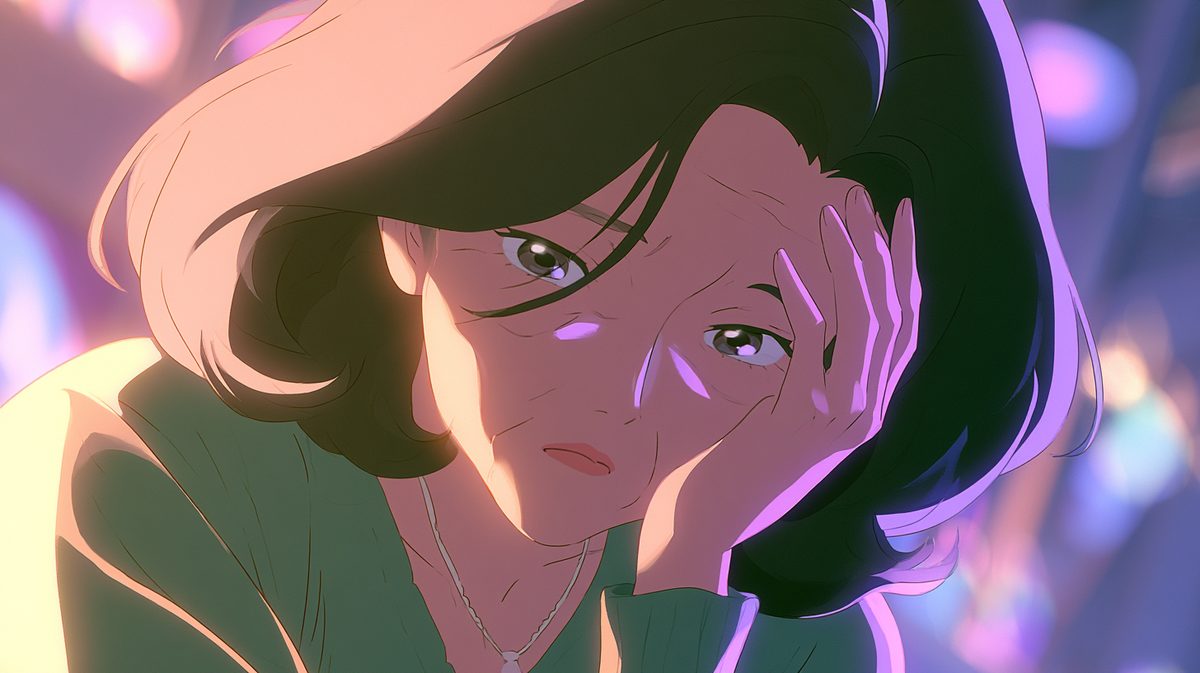 The first idol
Wound
The industry taught her that beauty and relevance were the conditions of worth.
Lie
If people stop watching me, I disappear.
Desire
To feel safe, remembered and impossible to abandon.
Truth
A daughter’s love cannot be secured by making her responsible for your survival.
Behavioral tells
- Calls Miso’s name as a request before it becomes a greeting.
- Uses fear as advice, especially around singers and spotlights.
- Folds laundry so she doesn’t have to make eye contact with the truth.
- Her cruelest moments come from panic, never cartoon malice.
In the story
Old stage glamour in a worn apartment: fading photos, burned-out vanity bulbs, a nineties career the internet eventually digs back up. Yuna is the pattern Miso repeats at work, love that arrives as need, until the season hands her the other arc: the one night she refuses to believe “I’m fine,” the drawer with Nobu’s shoebox, and a doorway where she waves until the taillights are gone. Her healing is real, and it starts with a makeover where nobody is being prepared for anyone.
Yuumi
The den’s calico. Claims laps like rent, supervises mixes from shoulders, and is not always a joke. When the worst week of the season arrives, she climbs into Miso’s lap and simply stays.
The catThe Manager
Overworked, schedule-driven, not cruel, he just walks Kai through the economics because the machine never stops. Then he carries Miso’s box to the lobby like it’s the most important schedule item of his career.
The machineThe Junior Assistant
Nineteen, handed a legend’s chair with a week of notes. She makes the mistake, confesses it, and learns the machine’s real answer: it was never the mistake, it was the access. By the finale she carries the torch competently. Never a villain.
The chairBora
The fan from Episode 1’s fansign line, the one who asked, “Can you say you’ll choose me?” At the winter show she’s still in the crowd, handmade sign in hand: the sincerity the machine sells and never quite deserves.
The crowdNobu
Miso’s father. A Japanese J-rock bassist with kind eyes and terrible hair, alive in a shoebox: letters, photographs, cassettes of unfinished songs left mid-idea. He never fit their machine either, which is not the same as failing.
The tapes